Zaida Catalan: A Fearless Voice for Human Rights and Justice
The Life, Work, and Legacy of a Woman Who Chose Courage Over Comfort

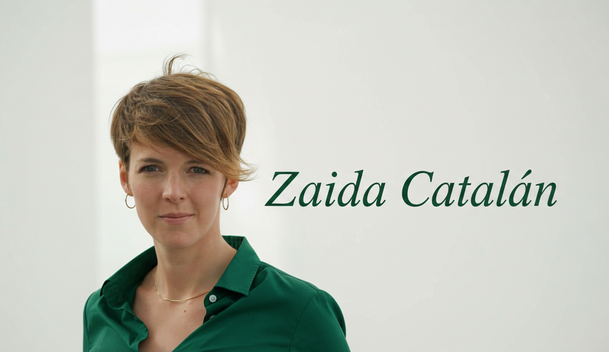
Table of Contents
ToggleIntroduction
Zaida Catalan is remembered as a powerful symbol of courage, integrity, and unwavering commitment to human rights. Her life tells a deeply inspiring story, but it also carries a painful reminder of the risks faced by those who choose to stand against injustice. From Swedish politics to dangerous international missions, Zaida Catalan dedicated her life to defending the vulnerable and confronting abuse wherever it existed.
At the same time, her story is not only one of idealism and service, but also one of tragedy. Her death during a United Nations mission shocked the global community and raised difficult questions about the safety of human rights workers. This article presents a complete, factual, and respectful account of Zaida Catalan’s life, career, and lasting legacy.
Quick Bio of Zaida Catalan
| Attribute | Details |
|---|---|
| Full Name | Zaida Maria Catalán |
| Date of Birth | 6 October 1980 |
| Place of Birth | Stockholm, Sweden |
| Nationality | Swedish |
| Profession | Politician, Lawyer, Human Rights Activist, UN Expert |
| Education | Master of Laws, Stockholm University |
| Languages | Swedish, English, Spanish, French |
| Known For | Human rights work, UN mission in DRC |
| Age at Death | 36 years |
Early Life and Family Background
Zaida Catalan was born on 6 October 1980 in Stockholm, Sweden. She grew up in a family deeply shaped by political awareness and social responsibility. Her father, Mario Hernan Catalán González, was a political refugee from Chile who fled the country during the Pinochet dictatorship. Her mother, Maria Morseby, was a Swedish teacher and artist. This mix of personal history and political experience strongly influenced Zaida’s worldview from an early age.
When she was still very young, her family moved from Stockholm to a rural area in Högsby, in southern Sweden. Growing up on a farm gave Zaida a close connection to nature and animals, which later became central to her activism. She also had a younger sister, Elizabeth, and family bonds remained important throughout her life.
Education and Intellectual Formation
Zaida Catalan pursued her education with a strong sense of purpose. After completing her secondary education with a focus on social sciences, she went on to study law at Stockholm University. She earned a Master of Laws degree, equipping her with legal knowledge that would later support both her political work and international human rights missions.
Her academic background was not limited to theory. She combined legal studies with activism, public speaking, and grassroots organizing. This blend of intellectual discipline and real-world engagement became one of the defining features of Zaida Catalan’s professional identity.
Early Activism and Start of Career
Zaida Catalan began her activist journey as a teenager. She became involved in the animal rights movement at a very young age and spoke publicly on issues related to animal welfare, ethics, and social justice. This early engagement showed her willingness to challenge dominant norms and advocate for those without a voice.
Her activism quickly evolved into organized political work. Rather than limiting herself to protest or commentary, Zaida chose to enter formal politics, believing that long-term change required engagement with democratic institutions.
Political Career in Sweden
Leadership in the Young Greens
One of the most important phases of Zaida Catalan’s career was her leadership role in Grön Ungdom, the youth wing of Sweden’s Green Party. From 2001 to 2005, she served as spokesperson and co-leader, becoming one of the most visible young politicians in the country.
During this period, Zaida Catalan focused on environmental protection, feminism, animal rights, and social equality. Her sharp rhetoric and principled stance earned her both admiration and criticism. Positively, she was praised for her authenticity and courage. Negatively, her uncompromising positions sometimes placed her at the center of political controversy.
Green Party and Public Office
After her youth leadership role, Zaida continued working within the Green Party. She was elected to the Stockholm City Council following the 2006 election and later served as a legal adviser to the Green Party’s parliamentary group in the Swedish Riksdag.
In 2009, she ran as a candidate for the European Parliament. Although she received significant personal voter support, she did not secure a seat. Even so, this campaign strengthened her profile as a serious political figure committed to progressive change.
Transition to International Human Rights Work
Around 2010, Zaida Catalan made a decisive shift from national politics to international human rights work. She began working with European Union police missions, known as EUPOL, in conflict-affected regions. Her assignments included Afghanistan, the West Bank, and the Democratic Republic of the Congo.
In these roles, Zaida focused on gender-based violence, sexual violence in conflict, and human rights training for local police forces. This phase of her career marked a deeper engagement with high-risk environments, where principles were tested under extreme conditions.
Role as a United Nations Expert
In 2016, Zaida Catalan was appointed as a member of a United Nations Panel of Experts. Her mission involved investigating human rights abuses and monitoring sanctions in the Kasai region of the Democratic Republic of the Congo.
This work required traveling to unstable areas and engaging directly with complex political and armed actors. While the mission reflected her commitment to justice, it also exposed her to serious danger. It was a powerful example of her belief that human rights work must reach the places where violations are most severe.
Kidnapping and Death
On 12 March 2017, Zaida Catalan disappeared while on a UN field mission in Kasai Central province, alongside her colleague Michael Sharp. Days later, their bodies were discovered. Her death sent shockwaves through Sweden, the United Nations, and the global human rights community.
In 2022, a court in the Democratic Republic of the Congo convicted multiple individuals for involvement in the murders. While legal accountability followed, the tragedy raised lasting questions about security, responsibility, and protection for international human rights workers.
Legacy and Global Impact
Zaida Catalan’s legacy is both inspiring and sobering. Positively, she is remembered as a principled activist who consistently chose courage over personal safety. Her work continues to influence discussions on gender-based violence, human rights monitoring, and international justice.
Negatively, her death exposed vulnerabilities in international missions and highlighted the risks faced by those working in conflict zones. Her story is now often cited in debates about reforming UN security protocols and improving protection for field personnel.
Conclusion
Zaida Catalan lived a life driven by conviction, empathy, and a deep sense of responsibility toward others. From Swedish politics to international human rights missions, she consistently acted on her belief that silence in the face of injustice is not an option. While her life ended far too soon, her impact continues to resonate across borders and institutions.
Her story reminds the world that meaningful change often comes at a high cost. Zaida Catalan’s name now stands as both a symbol of hope and a warning, urging future generations to pursue justice while demanding stronger protection for those who dare to defend it.
Frequently Asked Questions (FAQ)
Who was Zaida Catalan?
Zaida Catalan was a Swedish politician, lawyer, and human rights activist who worked nationally in Swedish politics and internationally as a United Nations expert.
What was Zaida Catalan known for?
She was known for her leadership in the Green Party’s youth movement, her legal and political work, and her international human rights missions in conflict zones.
What did Zaida Catalan study?
She studied law at Stockholm University and earned a Master of Laws degree.
Why is Zaida Catalan significant today?
Her life and death highlight both the importance and the risks of human rights work, especially in conflict-affected regions.
What is Zaida Catalan’s legacy?
Her legacy lies in her unwavering commitment to justice, her influence on human rights advocacy, and the global discussions her death sparked about protecting humanitarian workers.