Piçada Meaning: From Secret Culinary Sauces to Social Platters
Uncovering the Rich History, Flavours, and Cultural Significance of the Mediterranean and Latin Sharing Tradition

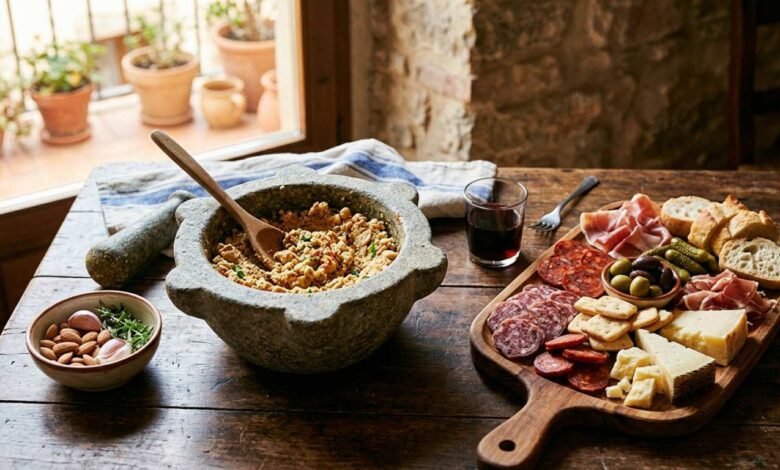
What is Piçada? An Introduction to a Versatile Term
If you’ve spent any time browsing Mediterranean cookbooks or wandering through the vibrant markets of Buenos Aires, you’ve likely encountered the word piçada (or its Spanish cousin, picada). At first glance, it seems simple enough—derived from the verb picar, which means to prick, bite, or finely chop. However, much like the diverse cultures that use the term, its meaning is wonderfully layered.
In the culinary world, it represents the “soul” of a dish—a secret thickening paste that transforms a simple stew into a masterpiece. In a social context, particularly in South America, it is the ultimate expression of hospitality: a sprawling platter of nibbles shared among friends. Even in its most literal Portuguese sense, it carries weight, referring to everything from a sharp insect sting to a witty, biting remark.
For the UK reader looking to expand their gastronomic horizons or simply understand the menu at the latest boutique tapas bar, unpicking the world of piçada is a journey worth taking.
The Catalan Picada: The Secret Weapon of Spanish Cooking
While many are familiar with sofrito (the slow-cooked onion and tomato base), fewer people outside of professional kitchens know about the picada. Originating in Catalonia and Valencia, this isn’t just a sauce; it is a finishing technique that defines the texture and aroma of classic Spanish stews.
Why it’s more than just a sauce
The picada is added during the final ten minutes of cooking. Unlike a garnish, which sits on top, the picada is stirred in to bind the liquids, thicken the sauce without the need for heavy flour, and provide a sudden “punch” of earthy flavour.
According to historical culinary records—including the famed Llibre de Sent Soví (one of Europe’s oldest cookbooks)—this technique has been used since at least the 14th century. It relies on a “basic triad” of ingredients:
-
The Crunch: Fried or toasted nuts (usually almonds, but sometimes hazelnuts or pine nuts).
-
The Body: Toasted bread or a plain biscuit.
-
The Liquid: A splash of stock, wine, or the cooking liquid from the pot.
How to Make an Authentic Picada at Home
To truly master the piçada style of cooking, you must step away from the food processor. To get the right consistency, a heavy mortar and pestle are essential. You want a paste that still has a microscopic “grit”—enough to provide texture but fine enough to melt into a broth.
Step-by-Step Guide for UK Kitchens:
-
Toast the Nuts: Take a handful of blanched Marcona almonds and toast them in a dry pan until golden.
-
The Garlic & Bread: Sauté a clove of garlic and a small cube of sourdough bread in olive oil until crisp.
-
The Grind: Place the nuts, bread, and garlic into the mortar. Add a pinch of saffron and a few sprigs of parsley.
-
The Emulsion: Pound until a thick paste forms. Dilute it with a tablespoon of dry Sherry or fish stock before stirring it into your stew.
The Argentinian Picada: The Ultimate Social Grazing Board
Shift your gaze across the Atlantic, and the term takes on a much more relaxed, social meaning. In Argentina and Uruguay, a piçada (often spelled picada) is a massive platter of finger foods served before the main event—the asado (barbecue).
It is the cornerstone of Rioplatense social life. Unlike a British “party platter,” which might be an afterthought of crisps and dips, the Argentinian version is a curated selection of high-quality meats and cheeses intended to be picked at over several hours of conversation.
Comparison: UK Party Platter vs. Authentic Argentinian Picada
| Feature | UK “Buffet” Style | Argentinian Picada |
| Star Ingredient | Sausage rolls & crisps | Cured Salamis (Longaniza) |
| Cheese | Cheddar cubes | Reggianito or Provoleta |
| Vegetables | Carrot sticks & hummus | Pickled aubergines & olives |
| Social Role | Quick snacks | The main social event |
| Bread | Sliced loaf/crackers | Crusty baguette or Focaccia |
Linguistic Nuances: Piçada in Portugal and Brazil
Language is rarely static, and in Portuguese-speaking territories, the word takes a more literal turn.
From insect bites to “sharp remarks”
Literally, a picada de abelha is a bee sting. However, in Lisbon or Rio de Janeiro, you might hear the word used in a figurative sense. If someone makes a particularly clever, biting, or sarcastic comment during a debate, it is often described as a piçada.
It’s that “sharp prick” of wit that catches you off guard. Understanding this nuance is key for anyone engaging with Lusophone culture; it’s not always about food—sometimes it’s about the “sting” of the conversation.
Why the “Piçada” Trend is Growing in the UK
The UK dining scene has undergone a “sharing revolution” over the last decade. We have moved away from the rigid “Starter-Main-Dessert” format in favour of collective dining.
From the Basque-style cider houses in London to the independent South American eateries in Manchester’s Northern Quarter, the concept of the piçada—whether as a cooking base or a sharing board—fits perfectly into our modern palate. It satisfies our growing craving for authenticity, E-E-A-T (Expertise, Authoritativeness, and Trustworthiness) in traditional recipes, and the simple joy of breaking bread with others.
Conclusion: Embracing the “Bite” of Piçada
Whether you are pounding almonds in a mortar to thicken a rich seafood zarzuela or laying out a spread of spicy salami and sharp cheeses for friends, the piçada represents the best of Mediterranean and Latin culture. It is about depth—of flavour, of history, and of social connection. Next time you see it on a menu or in a recipe book, you’ll know it’s the “secret ingredient” that makes all the difference.
Frequently Asked Questions about Piçada
Is a piçada spicy?
Generally, no. While it contains garlic and sometimes pepper, it is designed to be aromatic and savoury rather than “hot.”
Is it similar to Italian Pesto?
Technically, yes, as both use a mortar and pestle. However, while pesto is a sauce in its own right, a culinary picada is a “catalyst” used to enrich other dishes.
Is it gluten-free?
Traditional recipes use bread as a thickener. To make a gluten-free version, simply substitute the bread with extra nuts or a gluten-free cracker.