Daniel Sandford: The Powerful Voice Behind Britain’s Most Trusted Home Affairs Reporting
An authoritative BBC journalist shaping public understanding of crime, justice, and national security

Introduction
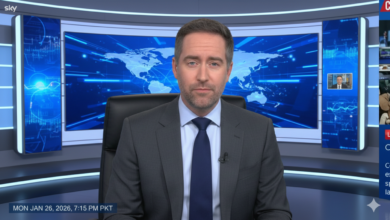
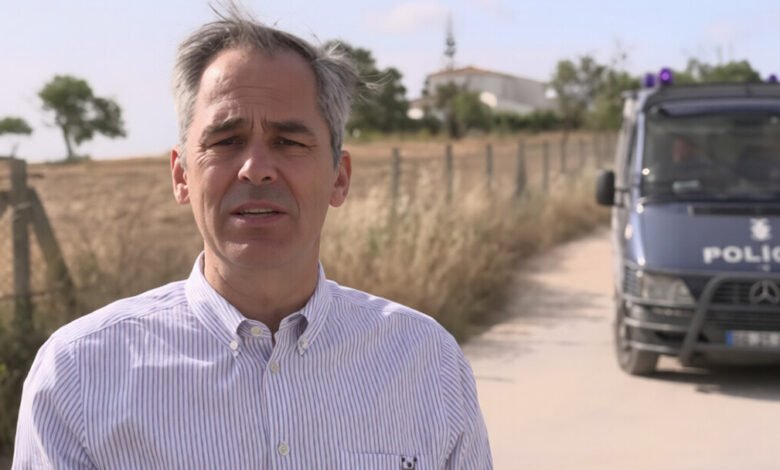
Daniel Sandford is one of the most respected names in British broadcast journalism, known for his calm authority, sharp analysis, and decades-long commitment to factual reporting. As a senior BBC journalist, Daniel Sandford has played a central role in explaining complex home affairs issues to the public, often during moments of national tension and uncertainty.
His work reflects the strength and responsibility of public-service journalism. While widely trusted and admired, his career has also faced scrutiny, reminding audiences that journalism operates under constant public accountability. This balance of credibility and criticism has helped define Daniel Sandford’s professional legacy.
Quick Bio
| Field | Information |
|---|---|
| Full Name | Daniel Sandford |
| Birth Year | 1965–1966 |
| Birthplace | Oxford, Oxfordshire, England |
| Nationality | British |
| Profession | BBC Journalist |
| Current Role | Home Affairs Correspondent, BBC News |
| Education | University of Southampton (Physics & Electronics) |
| Spouse | Caro Kriel |
| Children | Two |
| Known For | Crime, policing, terrorism, national security reporting |
| Social Media | @BBCDanielS |
Early Life and Background
Daniel Sandford was born in Oxford, England, and spent part of his early childhood in Ethiopia. This international upbringing exposed him to global perspectives at a young age, helping shape the worldview that would later inform his journalism. Living abroad during formative years also gave him first-hand experience of political change and instability.
Following the Ethiopian Revolution of 1974, his family returned to the United Kingdom. This transition marked a turning point, grounding him in British society while preserving a broader understanding of international affairs that continues to influence his reporting style.
Education and Academic Foundation
Daniel Sandford attended Magdalen College School in Oxford, where he developed discipline and confidence, including singing as a chorister. These early experiences contributed to his composed on-air presence and clear communication skills.
He later studied Physics and Electronics at the University of Southampton, graduating in 1988. Although not a journalism degree, this scientific background strengthened his analytical thinking, precision, and ability to interpret complex information—skills essential to investigative and home affairs journalism.
Start of a Journalism Career
Daniel Sandford began his professional journalism career in January 1989 at ITN (Independent Television News). Entering the industry at a competitive time, he quickly proved his ability to work across demanding news environments.
At ITN, he held roles including Home Affairs Producer and Africa Producer. These early positions allowed him to build expertise in domestic policy and international reporting, laying a strong foundation for his future career at the BBC.
Rise at BBC News
In 1998, Daniel Sandford joined BBC News, marking the beginning of a long and influential chapter. Initially working as a Home Affairs Producer and Health Correspondent, he became known for accuracy, balance, and editorial judgment.
He was later appointed Home Affairs Correspondent, a role that placed him at the center of reporting on policing, crime, terrorism, and immigration. His calm delivery during breaking news has become a defining feature of Daniel Sandford’s BBC journalism.
International Experience as Moscow Correspondent
Between 2010 and 2014, Daniel Sandford served as the BBC’s Moscow Correspondent. Reporting from Russia required political sensitivity, cultural understanding, and resilience in a challenging media environment.
This international posting strengthened his reputation as a journalist capable of handling complex geopolitical narratives. It also added depth to his reporting upon returning to the UK, enriching his analysis of national security and international relations.
Reporting Style and Public Perception
Daniel Sandford is widely recognized for his measured tone and factual clarity. His reporting avoids sensationalism, focusing instead on verified information and context, which has earned him trust among viewers and peers alike.
However, like many high-profile journalists, his work has faced public scrutiny. A notable BBC apology related to one of his reports highlights the accountability that comes with influence, reinforcing the importance of transparency in journalism.
Personal Life and Family
Daniel Sandford is married to Caro Kriel, herself a respected journalist and former Head of International News at Sky News. Their partnership reflects a shared commitment to media and public communication.
Together, they have two children. Despite his public role, Daniel Sandford maintains a relatively private family life, balancing professional visibility with personal discretion.
Professional Recognition and Influence
With over three decades in journalism, Daniel Sandford has become a trusted authority on UK home affairs. His BAFTA nomination underscores professional recognition for his contributions to broadcast journalism.
Beyond awards, his real influence lies in shaping public understanding of complex issues. Policymakers, journalists, and audiences regularly rely on Daniel Sandford’s reporting to navigate critical national debates.
Legacy in British Journalism
Daniel Sandford’s legacy is built on consistency, credibility, and public service. His career demonstrates the power of responsible journalism to inform, challenge, and sometimes correct the national conversation.
While no journalist is without controversy, his long-standing role at the BBC positions him as a defining voice in modern British home affairs reporting—respected, influential, and enduring.
Conclusion
Daniel Sandford represents the strength and responsibility of British broadcast journalism. His journey from early international exposure to senior BBC correspondent reflects dedication, adaptability, and integrity. Through both praise and criticism, his work continues to shape how the public understands crime, security, and justice in the UK.
As media landscapes evolve, Daniel Sandford’s career stands as a reminder that clear, accountable reporting remains essential to democracy and informed society.
Frequently Asked Questions (FAQ)
Who is Daniel Sandford?
Daniel Sandford is a British journalist and BBC News Home Affairs Correspondent known for reporting on crime, policing, terrorism, and national security.
What is Daniel Sandford known for?
He is known for authoritative, calm reporting on UK home affairs and for serving as a BBC Moscow Correspondent from 2010 to 2014.
Where was Daniel Sandford born?
He was born in Oxford, Oxfordshire, England.
Is Daniel Sandford married?
Yes, he is married to journalist Caro Kriel, former Head of International News at Sky News.
What makes Daniel Sandford’s journalism distinctive?
His analytical background, measured tone, and commitment to factual accuracy make Daniel Sandford a trusted voice in British journalism.