Kirsty Hinchcliffe: The Powerful Journey of a Versatile Actress and Private Mentor
From Early Screen Appearances to Coaching Success — A Story of Talent, Discipline, and Quiet Determination

Introduction
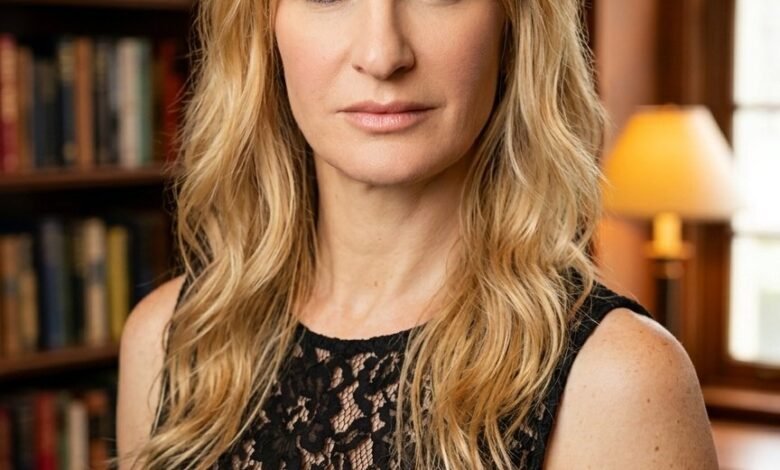
Kirsty Hinchcliffe is an Australian-born actress, acting coach, and certified personal trainer who has built a steady and respectable career in the entertainment industry. While she may not dominate celebrity headlines, her work across film, television, and coaching reflects dedication, professionalism, and long-term commitment to her craft.
Over the years, Kirsty Hinchcliffe has successfully balanced her artistic ambitions with a grounded personal life. Known for her role in the television series Haven and her early appearance in Muriel’s Wedding, she represents a different kind of success story — one built on consistency rather than controversy, and impact rather than publicity.
Quick Bio
| Field | Details |
|---|---|
| Full Name | Kirsty Hinchcliffe |
| Date of Birth | July 27, 1979 |
| Age (2026) | 46 years |
| Birthplace | New South Wales, Australia |
| Nationality | Australian |
| Profession | Actress, Acting Coach, Personal Trainer |
| Height | 5 ft 8 in (1.73 m) |
| Spouse | Lucas Bryant |
| Children | Two (Daughter born 2008, Son born 2015) |
| Notable TV Role | Rebecca Rafferty in Haven |
| Film Debut | Muriel’s Wedding (1994) |
| Estimated Net Worth | $1–1.5 million |
Early Life and Background
Kirsty Hinchcliffe was born in New South Wales, Australia, and grew up in a disciplined military household. Her father and two uncles served in the Royal Australian Air Force, which shaped her upbringing with structure and resilience.
Growing up in such an environment often means adapting to change, and that adaptability later became an asset in her acting career. The influence of a service-oriented family also contributed to her strong work ethic and quiet determination.
Education and Acting Training
Kirsty Hinchcliffe pursued professional acting training across three major cities: Sydney, London, and New York City. This international education gave her exposure to diverse performance techniques and industry standards.
Her time in New York included participation in off-Broadway theatre productions. Theatre work sharpened her emotional range and stage presence, helping her transition smoothly into film and television roles.
Start of Career
Her professional screen career began in the early 1990s. In 1994, she appeared in the Australian film Muriel’s Wedding, marking her entry into the industry.
Although the role was small, it introduced Kirsty Hinchcliffe to the film world and provided foundational experience. Early roles like this often shape an actor’s understanding of production dynamics and on-set discipline.
Film Career Highlights
Throughout the late 1990s and 2000s, she appeared in several independent and supporting film roles. These included:
- The Definite Maybe (1997)
- Mob Queen (1998)
- Cold Ones (2007)
- The Third Nail (2008)
Her film work demonstrates versatility rather than typecasting. While she did not pursue blockbuster fame, she steadily built credibility in independent cinema circles.
Independent film actors often face financial and visibility challenges. However, this path allows greater artistic freedom and meaningful character exploration, which aligns with her long-term career choices.
Television Career and Breakthrough Role
Kirsty Hinchcliffe gained broader recognition for her recurring role as Rebecca Rafferty in the supernatural drama series Haven from 2013 to 2015.
Television provided her with consistent exposure and audience connection. Recurring roles are especially important in building reputation, as they allow actors to develop deeper character arcs.
She also made a guest appearance in Law & Order, one of television’s most enduring crime dramas. Appearances in established series contribute to professional credibility in the industry.
Transition into Acting Coaching
Beyond performing, Kirsty Hinchcliffe expanded her professional identity by becoming an acting coach. This transition reflects growth rather than withdrawal from the spotlight.
Coaching allows experienced actors to pass on their knowledge of audition techniques, character analysis, and camera presence. Her background in international training adds depth to her mentoring approach.
Acting coaches often influence careers behind the scenes. While they may not receive public attention, their impact on developing performers is substantial.
Fitness Career and Personal Training
In addition to coaching acting, she became a certified personal trainer. Physical wellness is essential in performance arts, and her dual expertise gives her a unique professional edge.
Combining fitness with acting instruction allows her to approach performance holistically. Strength, posture, stamina, and physical awareness directly influence stage and screen presence.
This career diversification demonstrates strategic thinking. Rather than depending solely on acting roles, she built multiple professional streams aligned with her skills.
Personal Life and Marriage
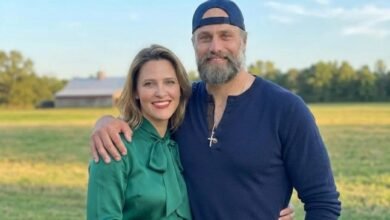
Kirsty Hinchcliffe is married to Canadian actor Lucas Bryant. The couple married around 2007 and have maintained a relatively private family life.
They have two children: a daughter born in 2008 and a son born in 2015. Balancing entertainment careers with parenting requires discipline, and she appears to prioritize family stability.
Unlike many public figures, she avoids excessive media exposure. This decision reflects a preference for privacy and grounded living.
Net Worth and Income Sources
Her estimated net worth is between $1 million and $1.5 million. This figure comes from combined earnings across acting, coaching, and personal training.
Income sources include film roles, television appearances, acting workshops, and private fitness sessions. Diversification has likely contributed to financial stability.
While she may not rank among Hollywood’s highest earners, her steady career path suggests sustainable success rather than fleeting fame.
Public Image and Career Strategy
Kirsty Hinchcliffe represents a model of quiet professionalism. She built her career without scandal, controversy, or excessive self-promotion.
In today’s media-driven environment, staying relevant without aggressive publicity can be challenging. Yet her steady presence in the industry shows that long-term credibility can outweigh temporary hype.
There is a positive lesson in her journey: consistent work and skill development create sustainable careers. On the other hand, choosing privacy may limit mainstream fame — a trade-off she appears comfortable making.
Health and Lifestyle
As a certified personal trainer, maintaining health is central to her lifestyle. Physical fitness not only supports personal well-being but also enhances performance capability.
There are no publicly reported major health issues or injuries. Her career choices suggest a focus on balance and wellness.
Legacy and Industry Impact
The legacy of Kirsty Hinchcliffe lies not in dramatic headlines but in steady contribution. She embodies professionalism across acting, coaching, and wellness fields.
Her impact extends beyond her screen appearances. Students and clients influenced by her guidance may carry forward her techniques and discipline into future productions.
In an industry known for volatility, her career demonstrates resilience. The absence of controversy, combined with consistent work, forms a quietly powerful legacy.
Conclusion
Kirsty Hinchcliffe has built a meaningful and multi-dimensional career across acting, coaching, and fitness. From her early film appearance in Muriel’s Wedding to her recurring role in Haven, she has maintained artistic integrity and professional growth.
Her journey shows that success does not always require constant headlines. Sometimes, steady dedication, skill refinement, and balanced living create the most sustainable and fulfilling careers.
FAQ
Who is Kirsty Hinchcliffe?
She is an Australian actress, acting coach, and certified personal trainer known for her role in Haven.
How old is Kirsty Hinchcliffe?
She was born on July 27, 1979, making her 46 years old in 2026.
What is Kirsty Hinchcliffe famous for?
She is best known for playing Rebecca Rafferty in the television series Haven.
Is Kirsty Hinchcliffe married?
Yes, she is married to actor Lucas Bryant.
Does Kirsty Hinchcliffe have children?
Yes, she has two children.
What does Kirsty Hinchcliffe do now?
She works as an acting coach and certified personal trainer while maintaining her professional involvement in the entertainment industry.
What is Kirsty Hinchcliffe’s nationality?
She is Australian.