Bobby J. Brown Death News Update: The Wire Actor Dies Aged 62 in Tragic Accident
Remembering the life, boxing career, and tragic passing of The Wire star Bobby J. Brown.

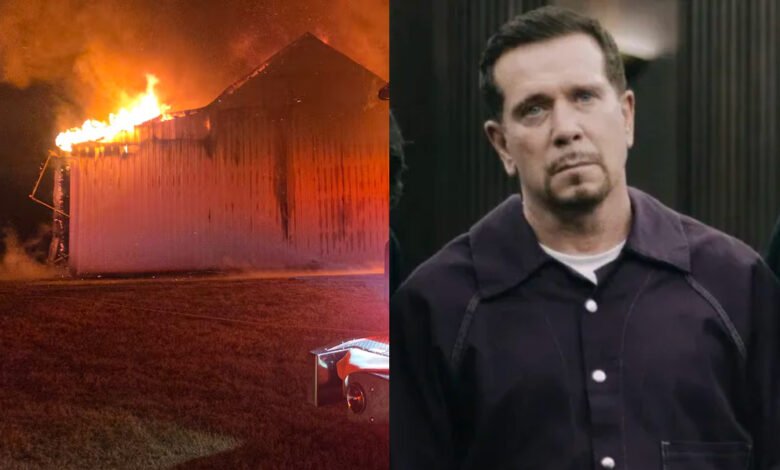
The entertainment world is mourning the loss of a gritty, authentic talent following the latest Bobby J. Brown death news update. The veteran actor, best known for his role as Officer Bobby Brown in the legendary HBO series The Wire, passed away on 24 February 2026, following a tragic accident at his home in Maryland. He was 62 years old.
For fans in the UK, where The Wire has long held cult status on platforms like Sky Atlantic and NOW, the news marks the end of a career defined by an unmistakable “street” realism that few could replicate.
Quick Facts: Bobby J. Brown (1963–2026)
| Category | Details |
| Birth Name | Robert Joseph Brown |
| Died | 24 February 2026 (Aged 62) |
| Location | Chaptico, Maryland, USA |
| Known For | The Wire, We Own This City, Law & Order: SVU |
| Background | 5-time Golden Glove Boxing Champion |
The Circumstances: What Happened in Chaptico, Maryland?
The details surrounding the incident are particularly harrowing. On the night of Tuesday, 24 February, emergency services were called to a property in the rural community of Chaptico, Maryland.
According to reports from the Maryland State Fire Marshal’s Office, the fire broke out in a large barn on Brown’s property at approximately 10:00 pm. Preliminary investigations suggest that Brown had entered the barn to jump-start a vehicle—specifically a Cadillac—when a fire unexpectedly ignited.
The situation escalated with terrifying speed. Brown reportedly called out to a family member, asking for a fire extinguisher, but by the time assistance arrived, the structure was already engulfed in flames. In a desperate and courageous attempt to save him, his wife, Arlene, sustained burns to her hands before being forced back by the intensity of the blaze. She was later treated at MedStar Washington Hospital Center.
Official Cause of Death and Medical Examiner Report
Bobby J. Brown Death News Update
Following an investigation by the Maryland Office of the Chief Medical Examiner, the actor’s death has been officially ruled as an accident.
The medical report cited the cause of death as diffuse thermal injury and smoke inhalation. His daughter, Reina Samara Brown, later confirmed these details to the press, expressing the family’s shock at how quickly an “ordinary evening” turned into a nightmare.
“My dad was an amazing human being,” Reina told PEOPLE. “He was a pillar in the community, and he’s going to be missed by a lot of people.”
Remembering Bobby J. Brown: From Golden Gloves to HBO
While many know him for his stern presence on screen, Brown’s journey to Hollywood was anything but traditional. He brought the discipline of a professional athlete to every script he touched.
A Champion in the Ring
Before he ever stepped in front of a camera, Brown was a powerhouse in the boxing world. Fighting out of Washington, D.C., he amassed an impressive amateur record of 73 wins and 13 losses. His trophy cabinet included five Golden Glove Championships, a testament to the grit and toughness he would later channel into his acting roles.
The Transition to Acting
Trading the ring for the stage, Brown moved to New York to study at the American Academy of Dramatic Arts. He understood that to play “tough” convincingly, one needed more than just muscle—they needed technique. This education allowed him to inhabit roles with a “quiet, real presence” that became his trademark.
Iconic Roles: The Wire and Beyond
Brown is perhaps most recognisable as Officer Bobby Brown in The Wire. Appearing in 12 episodes across the show’s five-season run, he played a Western District patrolman.
More recently, he reunited with The Wire creator David Simon for the 2022 miniseries We Own This City, where he portrayed Sergeant Thomas Allers. His filmography also includes:
Law & Order: Special Victims Unit
Homicide: Life on the Street
Veep
City by the Sea (alongside Robert De Niro)
Tributes Pour in from Hollywood and Family
The acting community has been quick to pay respects to a man described as having “undeniable authenticity.” His talent agent, Albert Bramante, released a poignant statement praising Brown’s integrity.
“He approached his work with a discipline and a passion that were truly inspiring to witness,” Bramante said. “While his career included many notable performances, it was his unwavering dedication to the craft of acting that defined him as an artist.”
On social media, his daughter Reina shared a moving tribute that resonated with many:
“Stay a little longer. Our schedules feel so important until something like this happens and you realise what actually matters. Sit with your parents… ask the extra question.”
Fact-Check: Bobby J. Brown vs. Bobby Brown Jr.
In the age of social media, misinformation travels fast. It is important to clarify that this news refers to the veteran character actor and boxer Bobby J. Brown.
He is not to be confused with Bobby Brown Jr. (the son of R&B singer Bobby Brown), who tragically passed away in 2020. This distinction is vital for fans looking for accurate information during this time of mourning.
The Legacy of a Character Actor. Bobby J. Brown Death News Update
Bobby J. Brown belonged to that elite group of “character actors”—the performers who provide the backbone of a production. He didn’t just play a police officer; he was the officer, bringing his D.C. roots and boxing discipline to the screen to ensure every line felt earned.
As a devout Jehovah’s Witness, a funeral service is currently being planned by his family. He leaves behind a legacy of hard work, community spirit, and some of the most realistic portrayals of law enforcement in modern television history. Bobby J. Brown Death News Update