Claire Froggatt: The Private Pillar Behind a Football Legend
A Powerful Story of Loyalty, Strength, Privacy, and the Quiet Challenges of Life in the Spotlight

Introduction
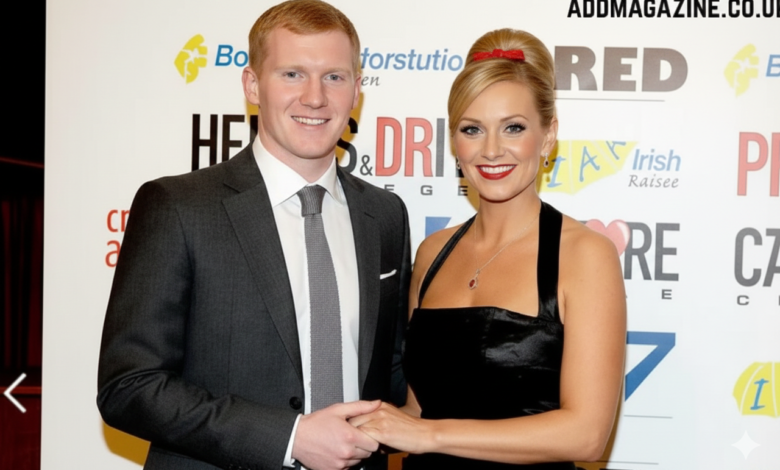
Claire Froggatt is widely known as the long-time partner and former wife of one of England’s most respected midfielders, Paul Scholes. While her husband enjoyed a glittering football career filled with trophies and global recognition, she chose a very different path — one defined by privacy, family dedication, and quiet resilience.
In an era where celebrity families often embrace publicity, Claire Froggatt maintained a low profile. Her life reflects both positive strength and the inevitable pressures that come with being connected to elite sport. This biography explores her background, family life, personal values, and lasting influence without speculation or unverified claims.
Quick Bio
| Field | Information |
|---|---|
| Full Name | Claire Froggatt |
| Birth Year | 1974 |
| Age (2025) | Approximately 51 years |
| Birthplace | Greater Manchester, England |
| Nationality | British |
| Height | Approx. 5′5″ (165 cm) |
| Spouse | Paul Scholes (married 1999) |
| Children | Alicia, Arron, Aiden |
| Known For | Wife of Paul Scholes, private family life |
Early Life and Background
Claire Froggatt was born in 1974 in Greater Manchester, England. She grew up in the same region that would later produce some of English football’s greatest talents. While detailed records of her childhood remain private, it is known that she spent her formative years in the Manchester area.
Her upbringing appears to have been grounded and local, far removed from celebrity culture. This early environment likely shaped her preference for privacy and stability, qualities that would define her adult life.
Meeting Paul Scholes
Claire Froggatt met Paul Scholes when they were teenagers in Manchester. Their relationship began long before fame entered the picture, during a time when Scholes was still developing his football career.
Their early connection built a foundation of loyalty and familiarity. As Paul rose through Manchester United’s ranks, she remained by his side, offering consistent support without seeking public recognition.
Marriage and Family Life
Claire Froggatt married Paul Scholes in February 1999. At the time, Scholes was already becoming a central figure at Manchester United, one of the biggest football clubs in the world.
Their marriage lasted for decades, a rare achievement in professional sports. Over the years, they built a family together and maintained a home life largely shielded from media intrusion.
Children and Parenting
The couple have three children: Alicia, Arron, and Aiden. Their daughter, Alicia Scholes, has pursued a professional career in netball and has represented England at national level.
Parenting became a central focus of Claire Froggatt’s life. Despite the demands of elite football schedules, she prioritized raising her children in a stable environment. Her family-oriented approach reflected strength and dedication behind the scenes.
Life Away From the Spotlight
Unlike many partners of high-profile athletes, Claire Froggatt did not cultivate a media presence. She does not maintain public social media accounts and rarely appears in interviews or promotional events.
This decision has been both positive and challenging. On one hand, privacy allowed her family to live more normally. On the other, it meant her role and contributions often went unnoticed by the public.
Role During Paul Scholes’ Career
Paul Scholes spent his entire professional career at Manchester United, winning multiple Premier League titles and Champions League trophies. During this time, Claire Froggatt remained a consistent presence behind the scenes.
While she did not take part in the football business directly, her support provided emotional stability. In high-pressure sports environments, family stability can significantly influence performance and longevity.
Challenges and Public Attention
Being married to a globally recognized footballer comes with intense scrutiny. Media attention, public expectations, and constant travel can place strain on family life.
In recent years, reports suggested changes in their relationship status. While personal matters remain private, it reflects the reality that even long-standing relationships can face difficulties under public pressure.
Personal Characteristics and Values
Claire Froggatt is often described as grounded, modest, and family-focused. These qualities contrast sharply with the high-profile world of elite football.
Her preference for privacy demonstrates strong personal boundaries. In a digital age dominated by constant sharing, choosing discretion requires confidence and clarity of values.
Influence Through Family
Although not a public figure in her own right, Claire Froggatt’s influence can be seen through her children. Alicia’s sporting success highlights the athletic environment in which she was raised.
Her impact is subtle but meaningful. Stability at home allowed her family members to pursue professional goals while maintaining personal balance.
Public Image and Reputation
Public perception of Claire Froggatt has generally been respectful. She is viewed as a devoted partner and mother who chose substance over celebrity.
This quiet reputation has helped preserve dignity and privacy. While some may interpret limited public exposure as absence, it actually reflects intentional living away from media attention.
Legacy of Loyalty and Strength
The legacy of Claire Froggatt is rooted in loyalty, resilience, and family dedication. She represents a different kind of strength — one that does not seek applause.
Her story reminds us that success in sport is rarely individual. Behind many elite athletes stands a network of support that remains unseen.
Conclusion
Claire Froggatt’s life demonstrates the powerful balance between public association and private identity. While connected to one of England’s most respected footballers, she built her own narrative centered on family and discretion.
Her journey includes both positive endurance and the inevitable challenges of life in the spotlight. Ultimately, her influence lies not in headlines, but in the stability and support she provided throughout decades of professional sport.
FAQ
Who is Claire Froggatt?
Claire Froggatt is best known as the long-time partner and former wife of former Manchester United footballer Paul Scholes.
When was Claire Froggatt born?
She was born in 1974 in Greater Manchester, England.
How many children does Claire Froggatt have?
She has three children: Alicia, Arron, and Aiden.
Is Claire Froggatt active on social media?
She does not maintain verified public social media accounts.
What is Claire Froggatt known for?
She is known for her long marriage to Paul Scholes and her private, family-focused life.