Jodie Capes Fogler – The Visionary Career Coach Transforming Creative Lives with Purpose and Precision
From Theater Roots to Global Coaching Influence: A Powerful Journey of Leadership, Growth, and Impact


Introduction
Jodie Capes Fogler is a respected American career coach and entrepreneur known for her dedicated work with actors, artists, and creative professionals. While she may not live in the constant spotlight of Hollywood media, her influence behind the scenes is both powerful and meaningful. Through years of commitment, strategic thinking, and compassionate mentorship, she has helped countless creatives shape sustainable careers in a highly competitive industry.
In a world where artistic ambition often collides with uncertainty, Jodie Capes Fogler has built a reputation for clarity, structure, and emotional intelligence. Her professional journey reflects both determination and adaptability. Although she keeps much of her personal life private, her professional footprint in the coaching world continues to expand across borders.
Quick Bio
| Field | Details |
|---|---|
| Full Name | Jodie Capes Fogler |
| Nationality | American |
| Profession | Certified Professional Co-Active Coach (CPCC), Entrepreneur |
| Education | Gallatin School of Individualized Study, New York University |
| Certification | Coaches Training Institute (CPCC) |
| Business | Co-Founder of Capes Coaching |
| Spouse | Dan Fogler |
| Children | Two daughters |
| Residence | London, United Kingdom |
Early Life and Educational Foundation
Jodie Capes Fogler was raised in the United States, where she developed an early interest in storytelling, performance, and personal development. Although detailed information about her childhood remains private, her academic choices reveal a deep connection to both creativity and human psychology. Her passion for understanding people and artistic expression would later define her professional path.
She pursued higher education at the Gallatin School of Individualized Study at New York University, focusing on Drama Therapy. This unique academic concentration combined performance arts with emotional exploration, providing her with a strong foundation in communication, empathy, and personal growth. This educational background became a cornerstone of her future coaching philosophy.
Professional Beginnings in the Theater Industry
Before establishing herself as a professional career coach, Jodie Capes Fogler worked within the New York theater community. She gained valuable experience in administrative and assistant roles, working closely with performers and industry professionals. These early experiences allowed her to understand the challenges actors face both professionally and personally.
Her time supporting established performers gave her insight into the realities of auditions, rejection, negotiation, and long-term career planning. Instead of pursuing a traditional entertainment path, she recognized a gap in structured guidance for creatives. This realization marked the beginning of her transition into coaching and mentorship.
The Birth of Capes Coaching
One of the most defining chapters in the life of Jodie Capes Fogler was co-founding Capes Coaching. The company was created to provide strategic career coaching for actors, artists, and creative entrepreneurs seeking clarity and direction in competitive industries.
Initially serving as Executive Director, she managed operations, client services, marketing, and business development for over a decade. This leadership role allowed her to build a strong operational foundation for the company. Later, she transitioned into direct coaching, working closely with clients on mindset, career strategy, and professional accountability.
Coaching Philosophy and Approach
Jodie Capes Fogler practices as a Certified Professional Co-Active Coach (CPCC), trained through the Coaches Training Institute. Her coaching approach focuses on empowerment rather than instruction. Instead of giving direct answers, she guides clients to discover clarity within themselves.
Her methodology blends emotional intelligence with practical strategy. She understands that creative professionals face not only career instability but also psychological pressure. By combining structured goal setting with deep listening, she helps clients build confidence and sustainable momentum in their careers.
Leadership, Entrepreneurship, and Business Growth
As a co-founder and executive leader, Jodie Capes Fogler demonstrated strong entrepreneurial vision. Building a coaching company in a niche industry requires resilience, organization, and consistent innovation. Her role in shaping Capes Coaching into a respected brand reflects her strategic mindset.
Through workshops, private coaching sessions, and professional development programs, the company expanded its influence. Under her leadership, it became known for offering actionable career guidance to actors navigating auditions, representation, and long-term planning. Her business acumen contributed significantly to its credibility and reach.
Personal Life and Global Perspective
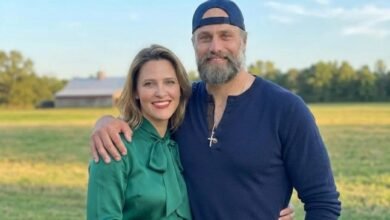
Jodie Capes Fogler is married to actor and writer Dan Fogler. Their partnership reflects a shared connection to the creative world. While he is recognized for his on-screen performances, she contributes to the creative industry through coaching and mentorship.
Currently residing in London, United Kingdom, she maintains an international perspective on career development. Living abroad while operating within global creative networks has broadened her professional outlook and allowed her to connect with diverse artistic communities.
Impact on Creative Professionals
The influence of Jodie Capes Fogler extends beyond individual sessions. Through her structured coaching systems, she has helped artists develop sustainable career strategies rather than relying solely on talent or luck. In an industry where uncertainty is constant, structured guidance becomes invaluable.
Her work empowers creatives to approach auditions, networking, and branding with confidence. By helping clients develop clarity and accountability, she supports long-term career sustainability rather than short-term success alone. This balanced perspective sets her apart in the coaching industry.
Professional Strengths and Challenges
A positive aspect of her career is her ability to merge empathy with strategy. Many coaches excel in motivation but lack structure, while others focus heavily on business mechanics without emotional depth. Jodie Capes Fogler bridges both worlds effectively.
However, working within the creative industry also presents challenges. The entertainment world is unpredictable, and guiding clients through rejection and uncertainty requires emotional resilience. Her experience within theater and administration prepared her to handle both positive breakthroughs and difficult setbacks.
Conclusion
Jodie Capes Fogler represents a powerful yet understated force within the creative coaching industry. Through education, entrepreneurship, and hands-on mentorship, she has built a career focused on empowering others rather than seeking the spotlight herself.
Her journey from theater administration to co-founding a respected coaching company demonstrates vision, adaptability, and leadership. While she maintains privacy regarding personal details, her professional contributions continue to influence actors and creatives seeking clarity and sustainable success.
Frequently Asked Questions (FAQ)
Who is Jodie Capes Fogler?
Jodie Capes Fogler is an American Certified Professional Co-Active Coach and co-founder of Capes Coaching, a company that provides career coaching for actors and creative professionals.
What is Jodie Capes Fogler known for?
She is best known for her leadership role at Capes Coaching and her work mentoring actors and artists in career development and personal growth.
What is her educational background?
She studied Drama Therapy at the Gallatin School of Individualized Study at New York University and completed professional coach training through the Coaches Training Institute.
Is Jodie Capes Fogler married?
Yes, she is married to actor and writer Dan Fogler, and they have two daughters.
Where does she live?
She currently resides in London, United Kingdom.
What makes her coaching unique?
Her approach combines emotional intelligence, accountability, and structured strategy tailored specifically to creative professionals.