Table of Contents
ToggleIntroduction
Florian Haertel is widely recognized as a German freelance journalist who gained public attention through his marriage to British actress Alex Kingston. While many individuals connected to celebrities embrace fame, he chose a different path. His life reflects professionalism, privacy, and a deliberate distance from media noise.
Although public interest in Florian Haertel remains strong, verified information about him is limited. This balance between public recognition and personal privacy makes his story both intriguing and respectful. In this detailed biography, we explore his career, personal life, achievements, and legacy using only confirmed information.
Quick Bio
| Full Name | Florian Haertel |
|---|---|
| Profession | Freelance Journalist, Writer |
| Nationality | German |
| Ethnicity | White / German |
| Height | Approximately 5’8″ (172 cm) |
| Hair Color | Dark Brown |
| Eye Color | Brown |
| Spouse | Alex Kingston (m. 1998 – div. 2013) |
| Children | Salome Violetta Haertel |
| Known For | Journalism career and marriage to Alex Kingston |
| Net Worth | Estimated $100,000 – $1 million |
Early Life and Background
Florian Haertel was born in Germany and holds German nationality. While his exact birth date and birthplace have not been publicly disclosed, his cultural background reflects a European upbringing rooted in German heritage.
Unlike many public figures, he has chosen not to share personal details about his early years. This includes information about his parents, siblings, or formal education. His reserved approach has helped him maintain a dignified and private life, even during periods of public interest.
Professional Career as a Journalist
Beginning of His Career
Florian Haertel built his professional identity as a freelance journalist and writer. Though specific publication names and early career milestones are not widely documented, he is consistently described as working in independent journalism.
His career reflects dedication rather than publicity. Instead of seeking mainstream fame, he focused on writing and journalistic work. This quiet professional path distinguishes him from many individuals associated with celebrities.
Career Development and Recognition
Over time, Florian Haertel became known in public discussions largely because of his marriage to actress Alex Kingston. However, his professional role as a journalist remains central to his identity.
As a freelance journalist, he likely worked on independent writing projects and reporting assignments. While detailed records of his articles are not widely available, his profession has been consistently referenced in multiple biographical summaries.
Personal Life and Marriage
Marriage to Alex Kingston
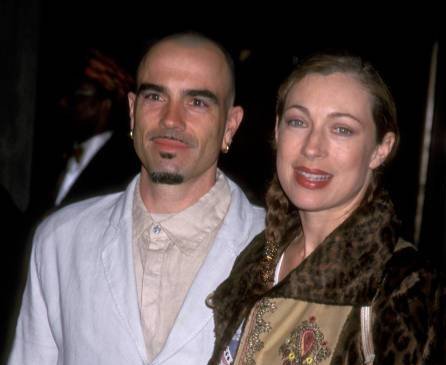
Florian Haertel married British actress Alex Kingston on 29 December 1998. Alex Kingston is known for her roles in popular television series, which brought significant public attention to their relationship.
The couple shared more than a decade together before separating in 2009. Their divorce was finalized in 2013. Despite public curiosity, both maintained discretion regarding the reasons for their separation.
Children and Family Life
Florian Haertel and Alex Kingston have one daughter, Salome Violetta Haertel, who was born on 28 March 2001 in Los Angeles, California. Fatherhood remains an important part of his identity.
Although he keeps family matters private, it is clear that he values personal boundaries. This approach has allowed him to protect his daughter’s privacy despite public interest.
Physical Appearance and Personality
Florian Haertel is described as approximately 5 feet 8 inches tall, with dark brown hair and brown eyes. His appearance reflects a classic European look consistent with his German heritage.
Beyond physical traits, his personality appears calm and reserved. Unlike many public figures who embrace social media and interviews, he has consistently maintained a low profile.
Net Worth and Source of Income
The estimated net worth of Florian Haertel ranges between $100,000 and $1 million. These figures are based on public estimates rather than confirmed financial disclosures.
His primary source of income is freelance journalism and writing. Working independently often means income varies depending on projects and contracts rather than a fixed corporate salary.
Public Image and Media Presence
One notable aspect of Florian Haertel’s life is his absence from social media platforms. There are no verified public accounts associated with him.
This decision reinforces his preference for privacy. While many people connected to celebrities leverage digital platforms for visibility, he chose not to pursue online fame.
Positive and Negative Aspects of Public Attention
Being associated with a well-known actress brought recognition, but it also introduced public scrutiny. The positive side included visibility and media interest.
On the other hand, increased attention may have reduced personal privacy. However, Florian Haertel managed to navigate both praise and speculation without controversy.
Health Status and Public Records
There are no public reports of major health concerns or injuries related to Florian Haertel. He has not been involved in publicly documented controversies.
His clean public record contributes to his image as a professional and private individual.
Legacy and Long-Term Impact
Florian Haertel’s legacy is not defined by fame but by quiet professionalism. He represents individuals who contribute to journalism without seeking celebrity status.
His story demonstrates that it is possible to maintain integrity and personal boundaries even when connected to public figures. That balance between visibility and privacy forms the core of his legacy.
Conclusion
Florian Haertel remains a respected German freelance journalist whose life reflects professionalism and discretion. While public curiosity often surrounds individuals connected to celebrities, he has consistently chosen privacy over publicity.
His marriage to Alex Kingston brought temporary media attention, but his identity remains rooted in journalism and fatherhood. In a world where exposure often defines relevance, Florian Haertel stands as an example of dignified restraint and independent career focus.
Frequently Asked Questions
Who is Florian Haertel?
Florian Haertel is a German freelance journalist and writer known publicly for his marriage to British actress Alex Kingston.
What is Florian Haertel’s profession?
He works as a freelance journalist and writer.
Was Florian Haertel married to Alex Kingston?
Yes, he married Alex Kingston in 1998, separated in 2009, and divorced in 2013.
Does Florian Haertel have children?
Yes, he has one daughter, Salome Violetta Haertel, born in 2001.
What is Florian Haertel’s net worth?
His estimated net worth ranges between $100,000 and $1 million based on public estimates.
Is Florian Haertel active on social media?
No, there are no verified public social media accounts associated with him.
Why is Florian Haertel well known?
He is known for his work as a journalist and for his former marriage to actress Alex Kingston.