Jeroen Dik: The Visionary Performance Tuning Mastermind Transforming European Motorsport
From Precision Engineering to Track Triumphs — The Inspiring Rise of a Dutch Automotive Innovator

Introduction
In the high-performance automotive world, few names command as much respect as jeroen dik. Known for his precision, discipline, and track-tested expertise, he has carved a powerful reputation in European performance tuning and motorsport circles. His journey reflects both brilliance and relentless effort, proving that success is never accidental but earned through years of experimentation and dedication.
While the automotive tuning industry can sometimes be criticized for prioritizing extreme horsepower over safety, jeroen dik took a different path. He focused on balanced engine performance, reliability, and drivability. This positive yet disciplined approach helped him stand out in a competitive and sometimes controversial industry.
Quick Bio
| Field | Details |
|---|---|
| Full Name | Jeroen Dik |
| Date of Birth | March 13, 1969 |
| Age | 56 years (as of 2025) |
| Nationality | Dutch |
| Profession | Automotive Engineer, Performance Tuner, Racing Driver |
| Company | JD Engineering |
| Known For | ECU Remapping, Motorsport Success |
| Major Achievement | 2011 Toerwagen Diesel Cup Winner |
Early Life and Passion for Engineering
Born on March 13, 1969, in the Netherlands, jeroen dik developed an early fascination with engines and mechanical systems. Unlike many engineers who follow a strictly academic route, he was drawn toward practical experimentation from a young age. He spent countless hours studying vehicle components and understanding how performance systems worked in real-world conditions.
This hands-on curiosity later became the foundation of his professional success. Instead of relying solely on textbooks, he learned by modifying engines, testing performance outputs, and observing mechanical responses. This practical experience gave him a deeper mechanical intuition that would later define his career in automotive performance tuning.
Education and Technical Development
Although not widely associated with a traditional engineering degree, jeroen dik built his knowledge through real-world automotive work. He studied engine management systems, electronic control units (ECU), and mechanical optimization through hands-on projects and extensive experimentation.
This unconventional educational path allowed him to think beyond standard solutions. His self-driven learning process shaped his innovative mindset, especially in ECU remapping and custom engine calibration. Over time, he developed the technical depth needed to compete at both commercial and motorsport levels.
The Start of a Performance Tuning Career
The professional journey of jeroen dik began in the early 1990s when performance tuning was evolving rapidly across Europe. During this period, electronic engine management systems were becoming more advanced, creating opportunities for skilled specialists who understood both hardware and software calibration.
Recognizing this shift, he focused on ECU remapping, turbo optimization, and custom performance solutions. His reputation steadily grew among enthusiasts who valued precision and reliability over exaggerated power claims. This balanced approach became the cornerstone of his brand identity.
JD Engineering: Building a Respected Automotive Brand
The Foundation of JD Engineering
Jeroen dik founded JD Engineering in the Netherlands, establishing a specialized performance tuning company dedicated to high-quality engine optimization. The company quickly became known for delivering tailored ECU remapping solutions rather than generic software upgrades.
JD Engineering primarily works with Volkswagen Group vehicles, including Volkswagen, Audi, SEAT, Škoda, and selected Porsche models. By concentrating on specific platforms, the company developed unmatched expertise in VAG performance tuning.
Philosophy of Balanced Performance
Unlike some tuning companies that chase maximum horsepower figures, jeroen dik emphasizes reliability, smooth torque delivery, and engine safety. His philosophy centers on creating real-world performance improvements that drivers can trust daily.
This approach helped JD Engineering earn credibility within the automotive community. Customers appreciate that upgrades are tested on dyno systems and validated through real-world driving conditions, ensuring both power and longevity.
Motorsport Career and Competitive Success
Racing Experience
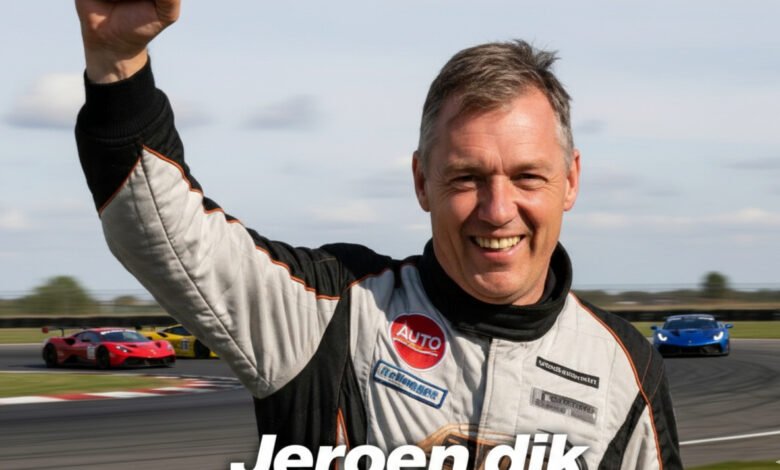
Beyond engineering, jeroen dik has practical motorsport experience. Competing in racing events allowed him to test his tuning strategies under extreme conditions. This hands-on track involvement strengthened his technical understanding and validated his calibration methods.
Motorsport demands not only speed but also endurance and reliability. His dual role as tuner and driver gave him a competitive advantage, as he understood performance from both engineering and driving perspectives.
2011 Toerwagen Diesel Cup Victory
One of the most significant milestones in his career was winning the 2011 Toerwagen Diesel Cup (TDC). Driving a Volkswagen Golf VI TDI that he personally tuned, he demonstrated that diesel performance tuning could compete at high levels.
This achievement reinforced his credibility within European motorsport circles. It also proved that precision calibration and engineering discipline could outperform aggressive but unstable tuning strategies.
Expertise in ECU Remapping and Engine Calibration
Engine Control Unit optimization is one of the most complex aspects of modern automotive engineering. Jeroen dik became widely respected for his detailed approach to ECU remapping, focusing on torque curves, fuel efficiency, and mechanical longevity.
Instead of applying one-size-fits-all software, he analyzes each vehicle individually. This custom calibration process ensures that performance gains remain stable and safe, reducing the risk of engine damage or mechanical failure.
Business Growth and Industry Influence
Over the years, JD Engineering expanded its influence beyond local markets. Enthusiasts across Europe recognize the company as a leader in professional performance tuning. Word-of-mouth recommendations and consistent results played a significant role in this growth.
In addition to customer services, his influence extends into mentorship within the tuning community. Many aspiring tuners study his methods, particularly his emphasis on data analysis, dyno testing, and conservative yet effective power increases.
Financial Success and Source of Income
The primary source of income for jeroen dik comes from JD Engineering’s operations. These include ECU remapping services, performance upgrades, dyno testing, and specialized automotive consulting.
His motorsport involvement and industry reputation also contribute indirectly to business growth. Although exact financial figures are not publicly disclosed, his long-standing presence in the industry suggests significant commercial success.
Reputation in the European Automotive Community
Within European performance circles, jeroen dik is often praised for integrity and technical depth. His nickname “Tuning Yoda” reflects the respect he commands among enthusiasts and professionals.
While the tuning industry sometimes faces criticism for unsafe modifications, his disciplined methodology counters this negative perception. By prioritizing reliability, he helps maintain higher professional standards in automotive performance engineering.
Legacy and Long-Term Impact
The legacy of jeroen dik lies in redefining performance tuning standards. He demonstrated that safe, balanced, and intelligent upgrades can outperform aggressive and risky modifications.
His work continues to influence both drivers and tuners who value precision over hype. Through JD Engineering and motorsport achievements, he has left a lasting mark on European automotive culture.
Conclusion
The story of jeroen dik is one of technical excellence, persistence, and strategic thinking. From early mechanical experimentation to motorsport victories and business leadership, his journey reflects dedication and innovation.
By focusing on reliability and precision rather than shortcuts, he built a powerful reputation in performance tuning. His balanced approach stands as a model for the future of automotive engineering and motorsport development.
FAQ
Who is jeroen dik?
He is a Dutch automotive engineer, performance tuner, and racing driver known for founding JD Engineering and winning the 2011 Toerwagen Diesel Cup.
What is JD Engineering known for?
JD Engineering specializes in ECU remapping, performance tuning, and engine calibration, particularly for Volkswagen Group vehicles.
What makes his tuning philosophy unique?
He focuses on reliability, smooth torque delivery, and safe performance gains rather than extreme horsepower numbers.
Did he compete in motorsport?
Yes, he competed in racing events and won the 2011 Toerwagen Diesel Cup with a self-tuned Volkswagen Golf VI TDI.
Why is he respected in the automotive industry?
His technical precision, balanced tuning approach, and proven track success have earned him strong credibility across Europe.